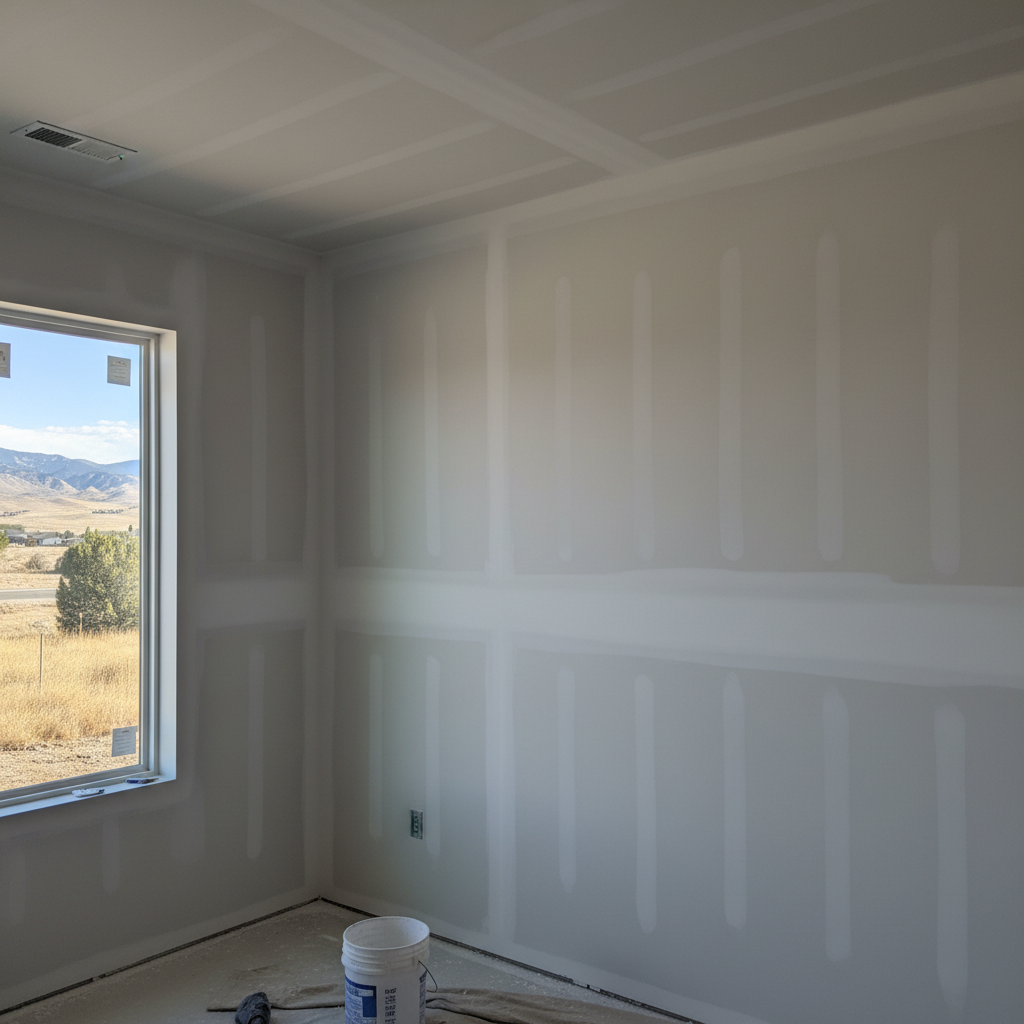
You want your walls to look good, right? Of course you do. We put a lot of effort into getting those seams and corners perfectly smooth with taping and mudding. But that finish isn't just going to magically stay perfect forever without a little help. Especially here in Taylorsville, where our weather can really put drywall to the test.
Making Your Drywall Finish Last Longer
The biggest thing you can do to make your drywall finish last is control the environment inside your home. I'm talking about humidity and temperature. Utah's climate swings are no joke. We get bone-dry summers and then some pretty wet winters, sometimes with big temperature shifts. All that expansion and contraction? It really stresses your drywall joints.
Think about it: when it's super dry, wood framing shrinks a bit, and your drywall can pull. When it's humid, things swell. This constant movement is what often leads to those hairline cracks you see popping up. So, what can you do?
- Humidifiers and Dehumidifiers: In the winter, when your furnace is blasting and the air gets really dry, a humidifier can save your drywall. It keeps the moisture content in the air more stable. In the summer, especially with those monsoon-like storms we sometimes get, a dehumidifier can prevent too much moisture from soaking into your walls.
- Consistent Temperatures: Try not to let your house get super cold or super hot when you're away. Keeping the thermostat relatively stable, even if it's a few degrees warmer or cooler than when you're home, helps reduce stress on the building materials.
- Good Ventilation: In places like bathrooms and kitchens, make sure you're using those exhaust fans. Steam and moisture from showers and cooking can really build up and cause problems, not just for paint but for the mudding underneath.
Regular Maintenance: What to Look For
Honestly, regular maintenance for drywall taping and mudding isn't a huge chore. It's more about being observant. You're not going to be out there re-taping every year, don't worry.
- Visual Inspections: Just take a good look at your walls and ceilings every few months. Walk around, especially near windows, doors, and corners. These are often the first places to show signs of movement. Look for small cracks, bubbling, or peeling paint along seams.
- Clean Gently: If you need to clean your walls, use a soft cloth and mild cleaner. Don't scrub aggressively, especially on painted surfaces over mudded joints, as you can damage the paint and even the mud underneath if it's not fully cured or if there's a minor flaw.
- Address Leaks Immediately: This one's a no-brainer. Any water leak, whether it's from a leaky roof, a plumbing issue, or even just condensation around a window, needs to be fixed fast. Water is drywall's worst enemy. It'll soften the mud, ruin the tape, and lead to mold.
Warning Signs of Problems
Okay, so you're doing your regular checks. What are you looking for that signals trouble?
- Hairline Cracks: A tiny crack, barely visible, might just be normal house settling. But if it starts to widen, or if you see multiple cracks forming in the same area, that's a sign of stress. Cracks often appear where different planes meet, like wall-to-ceiling joints or inside corners. We see a lot of these in older homes around the Taylorsville High School area, where foundations have shifted a bit over the decades.
- Bubbles or Blisters: This usually means the tape isn't sticking properly to the drywall, or there's moisture getting behind it. If you see a bubble, gently press on it. If it feels soft or squishy, you definitely have a moisture issue. If it's hard, it might just be a spot where the mud didn't bond well, or the tape got a little loose.
- Peeling Paint Along Seams: This can be a symptom of underlying tape or mud issues. The paint isn't sticking because the surface underneath is compromised, often due to moisture or movement.
- Discoloration or Stains: Any yellow, brown, or dark spots are almost certainly water damage. Don't ignore these. Find the source of the water and fix it ASAP.
- Visible Tape Lines: If you can suddenly see the outline of the drywall tape through the paint, it means the mud over it has shrunk, cracked, or deteriorated.
When to Call a Professional
Look, some small cracks you can probably patch yourself with a little spackle and paint. But there are times when it's just better to call in someone who does this every day. That's where Sunrise Drywall Co. comes in.
- Widespread Cracking: If you're seeing cracks all over the place, or long, continuous cracks that run across entire walls or ceilings, that's likely a structural issue or significant settling. A professional can assess whether it's just a drywall fix or if you need to look at foundation or framing.
- Large Bubbles or Peeling: If the problem area is bigger than your hand, or if you've got multiple spots, a proper repair often involves cutting out the old tape and mud, re-taping, and re-mudding. It's a bit more involved than a simple patch.
- Water Damage: If you've had a significant leak, or if there's mold involved, you need a pro. We can assess the extent of the damage, make sure all the affected material is removed, and properly repair and seal everything to prevent future issues.
- Repeated Problems: If you've patched a crack or a bubble yourself, and it keeps coming back in the same spot, there's an underlying issue that needs a more expert eye. It could be a framing problem, a persistent moisture source, or just a joint that wasn't properly finished the first time.
- When You Don't Have the Time or Tools: Let's be real, drywall work can be messy and time-consuming. If you'd rather spend your weekend enjoying something else, like a hike up Little Cottonwood Canyon, just give us a call. We've got the tools, the experience, and the know-how to get it done right.
Taking a little time to keep an eye on your drywall can save you a lot of headaches and bigger repair bills down the road. Your walls are a big part of your home's look and feel, so it's worth protecting that smooth finish.