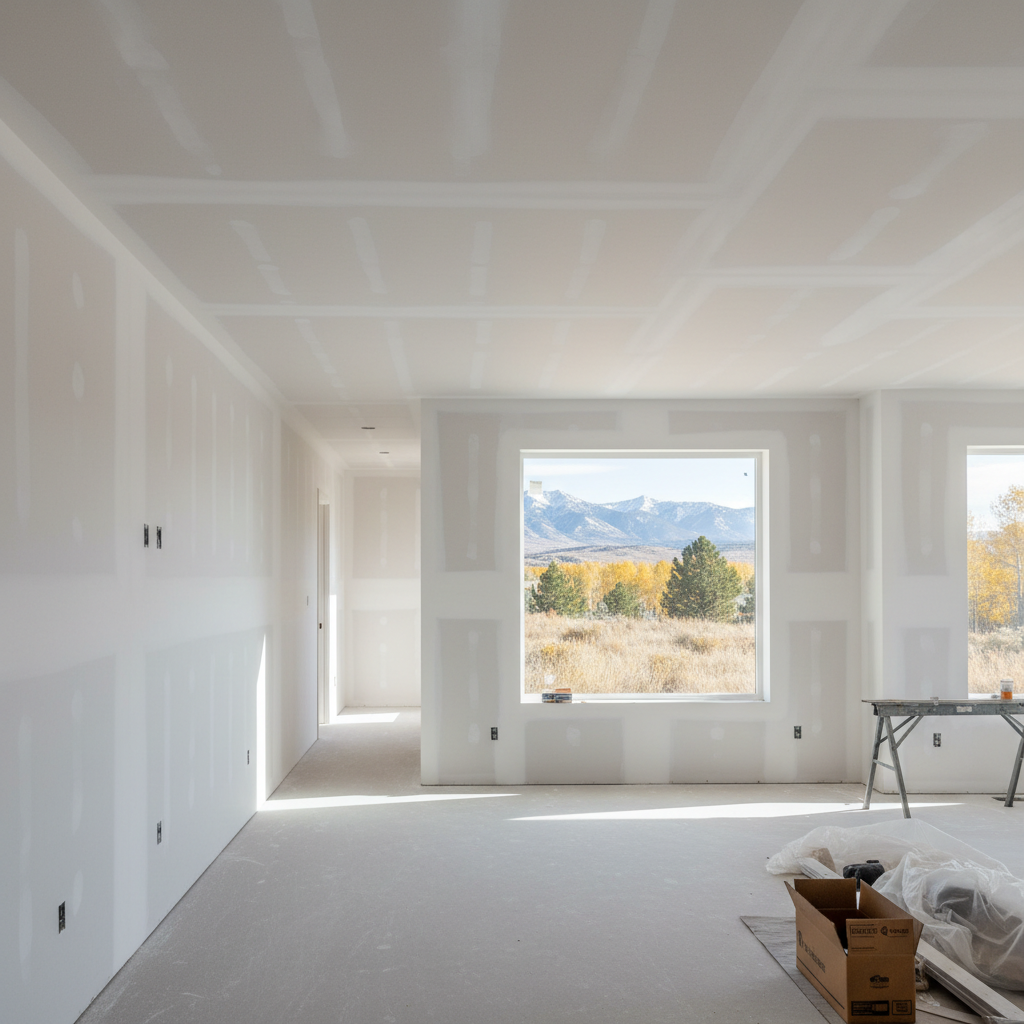
Ever wonder why some drywall jobs look fantastic for years, but others start showing cracks or ripples way too soon? A lot of it boils down to the weather, especially here in Taylorsville. Our seasons can be pretty wild, swinging from dry, hot summers to cold, snowy winters, and that really impacts how drywall behaves.
When's the Best Time for Drywall Installation?
Honestly, there isn't one single 'perfect' month, but some windows are definitely better. What you really want to steer clear of are extreme conditions. For new construction, say if you're building out in areas like the Bennion neighborhood, you'll often see builders pushing to get the shell up and dried in before winter truly hits. That's a smart move.
My advice? Aim for spring or fall if you can. Temperatures are usually more moderate then, and the humidity isn't as crazy. Drywall just loves stable conditions. When it's too hot and dry, the mud can cure too fast, which leads to shrinkage and those annoying hairline cracks. But if it's too cold and damp, it takes forever to dry, and then you risk mold or poor adhesion. Trust me, we've seen every scenario.
That said, we do drywall year-round. It just means we have to be extra careful with climate control inside the house. If we're working in the dead of winter, we'll need to make sure the heat is on and stable. In summer, we might need to run dehumidifiers or ensure good ventilation. It's all about adapting, isn't it?
Weather Conditions That Mess With Drywall
You might think once the drywall is up, you're all set. Not quite. The conditions during and right after installation are super important. Here's what I always keep an eye on:
- Extreme Humidity: This is a big one. High humidity makes the joint compound dry slowly. If you try to rush it, you'll end up with soft spots or even mold. Low humidity, especially when it's really dry and hot, can make the mud dry too fast, cracking before it fully sets.
- Temperature Swings: Our days can be warm and nights cold, particularly in spring and fall. These big temperature shifts cause materials to expand and contract, which is bad news for fresh drywall mud. A consistent indoor temperature is key.
- Lack of Airflow: Stagnant air means moisture gets trapped. Good ventilation helps the drying process along naturally. We're not talking about a hurricane, just a gentle breeze.
- Direct Sunlight: Sounds harmless, right? But direct, intense sunlight hitting a freshly mudded wall can make it dry unevenly and too quickly, leading to cracking. We'll often cover windows or adjust our work schedule to avoid this problem.
Protecting Your Drywall Investment Year-Round
Once your drywall is installed and painted, it's pretty durable, but you still need to be mindful of your home's environment. Think of it like taking care of your car – regular maintenance keeps it running smoothly.
- Maintain Consistent Indoor Temps: Try to avoid huge temperature swings in your home, especially between seasons. Keep your thermostat set to a reasonable range, even when you're away. This helps minimize expansion and contraction in your walls.
- Control Humidity: If you notice your home feels damp, particularly in basements or bathrooms, consider a dehumidifier. On the flip side, if it's super dry in winter (common with our forced-air heating), a humidifier can help prevent wood framing from shrinking too much, which can pull on your drywall.
- Fix Leaks Immediately: This one's a no-brainer. Any water intrusion from a leaky roof, plumbing, or even a window seal can quickly ruin drywall, leading to soft spots, bubbling paint, and mold. Don't put it off.
- Watch for Settling: Taylorsville has some interesting soil conditions, especially with our clay and occasional expansive soils. If you notice new cracks appearing, particularly around doors and windows, it could be your house settling. Sometimes these are just cosmetic, but sometimes they indicate a bigger issue. Don't ignore them.
At Sunrise Drywall Co, we've been working with Taylorsville homes for years. We really understand how our local climate impacts drywall, and we factor that into every single job we do. Getting it right the first time means you won't have to worry about it later.