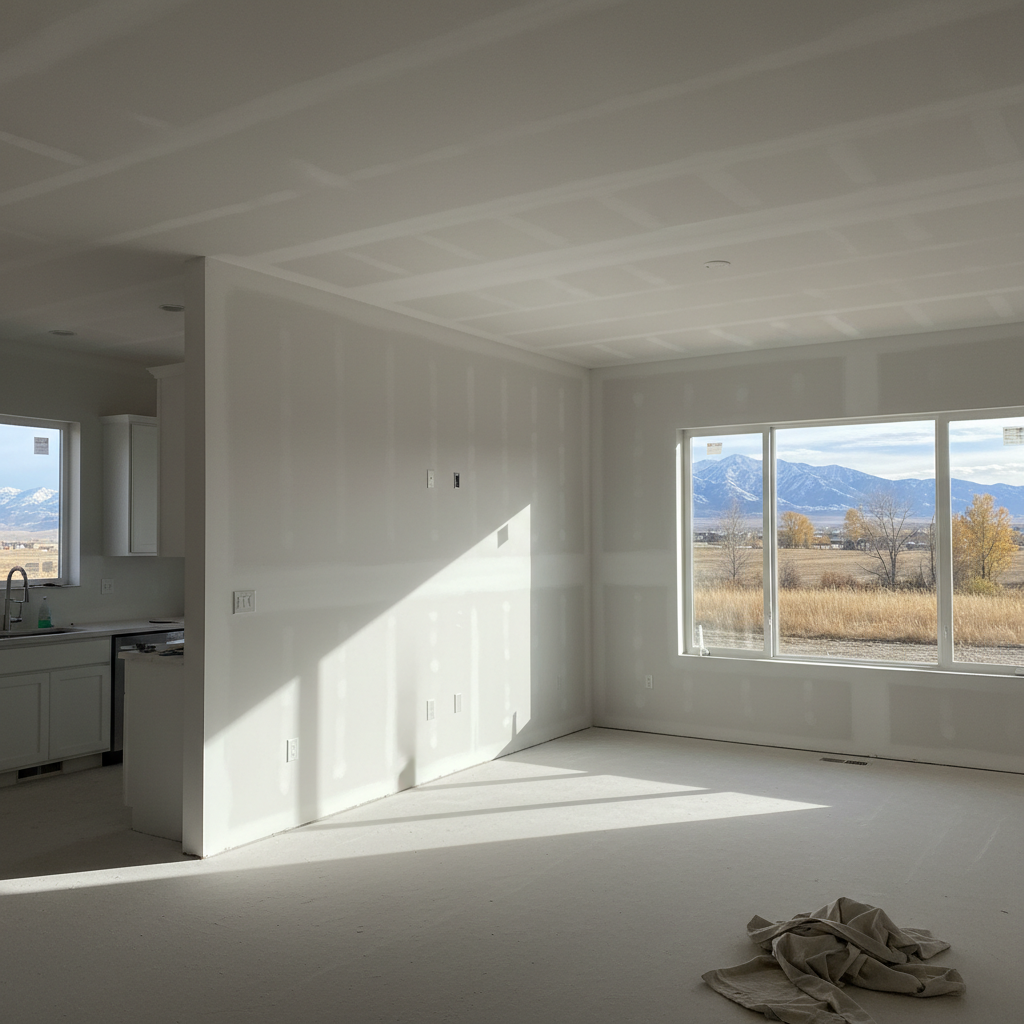
You know our weather here in Taylorsville, right? It's a rollercoaster. Blazing hot summers, freezing cold winters, and sometimes all four seasons in a single week. That's not just annoying for your wardrobe; it's a real factor when you're trying to get a quality drywall finish that actually lasts.
Why Our Climate Matters for Drywall
Drywall, believe it or not, is pretty sensitive to temperature and humidity. It's mostly gypsum plaster pressed between paper, and like a sponge, it absorbs and releases moisture. If it dries too fast, it can crack. If it stays wet too long, you're looking at potential mold issues or weak joints. Our big swings in temperature and humidity here in the Salt Lake Valley mean you can't just slap up drywall any old time and expect the best results.
Think about those older homes around the Bennion and Plymouth neighborhoods. You see cracks showing up, especially around windows and doors. Sometimes that's just the house settling, sure, but often, it's because the drywall wasn't installed or finished under ideal conditions. The materials expanded and contracted too much before they were properly set.
The Best Time to Tackle Drywall Projects
Honestly, there's no single 'perfect' day, but some seasons are definitely better. What we're aiming for is stability. Drywall mud needs to dry slowly and evenly to cure strong and smooth. If it dries too fast, it shrinks too much, and you end up with hairline cracks or joint tape lifting.
- Spring and Fall are your friends: These are generally the sweet spots. Temperatures are moderate, and humidity isn't usually extreme. You're not battling the furnace blasting or the AC running full tilt, which can dry out the air too much. The mud can set up nicely without being rushed.
- Summer can work, with caveats: If it's 90 degrees outside and your house is boiling, you'll need to control the indoor environment. Running the AC helps, but you don't want it so cold and dry that the mud cures too quickly. You might need to mist the air a bit or use slower-drying compounds.
- Winter is tricky: This is where people often run into trouble. With the furnace cranking, the air inside gets incredibly dry. This is a recipe for mud drying too fast, leading to cracks and poor adhesion. You absolutely need to keep the heat consistent, but not overly high, and consider using humidifiers in the work area. Sometimes, we'll even use specialized muds that have a longer working time in these conditions.
The key is consistent, moderate conditions. Not too hot, not too cold, not too humid, not too dry. We're talking 60-75°F and 30-50% humidity if you can manage it. That's the sweet spot for the materials to perform their best.
Controlling the Environment: What You Can Do
Whether you're doing a small patch or finishing a whole basement, controlling the environment is crucial. You don't need a cleanroom, but a little effort goes a long way:
- Keep it consistent: Don't crank the heat up to 80°F overnight then drop it to 60°F during the day. Steady temperatures are key.
- Ventilation vs. Drafts: You want some airflow to help the mud dry, but not direct drafts from open windows or fans blowing right on fresh mud. That'll dry it unevenly and cause problems.
- Humidity control: In winter, a humidifier in the room can make a huge difference. In summer, if it's super muggy, a dehumidifier might be necessary, but usually, just running the AC is enough.
- Protect the materials: Don't store drywall sheets or buckets of mud in your garage where they'll freeze or bake. Keep them indoors, in the space where they'll be installed, for at least 24-48 hours before you start. This lets them acclimate to the room's conditions.
Protecting Your Drywall Investment Year-Round
Once your drywall is up and finished, you want it to stay looking good. Here's how to protect it from our local climate's whims:
- Maintain consistent indoor temps: Sudden, drastic changes in your home's temperature can stress drywall joints. Try to keep your thermostat relatively stable, even when you're away. Don't let your house freeze in winter or bake in summer.
- Watch your humidity: If you notice condensation on windows or a musty smell, you might have too much humidity, which can lead to mold behind drywall. Use exhaust fans in bathrooms and kitchens, and consider a whole-house dehumidifier if it's a persistent problem. Conversely, if the air feels desert-dry in winter, a humidifier can prevent wood framing from shrinking too much, which can pull on your drywall.
- Address leaks immediately: This is a big one. Any water leak – from a roof, a pipe, or even a window seal – will damage drywall quickly. The minute you see a stain or feel dampness, investigate and fix it. Water-damaged drywall is compromised and often needs to be replaced to prevent mold.
- Good insulation: Proper insulation helps stabilize your home's interior temperature and humidity, reducing the stress on your drywall and saving you money on energy bills. It's a win-win.
At Sunrise Drywall Co, we've seen it all. From homes near the Jordan River Parkway with moisture issues to houses up on the bench getting blasted by winter winds. We know what our climate does to building materials, and we factor that into every job we do. Getting the timing and conditions right makes a world of difference for a finish that really lasts.