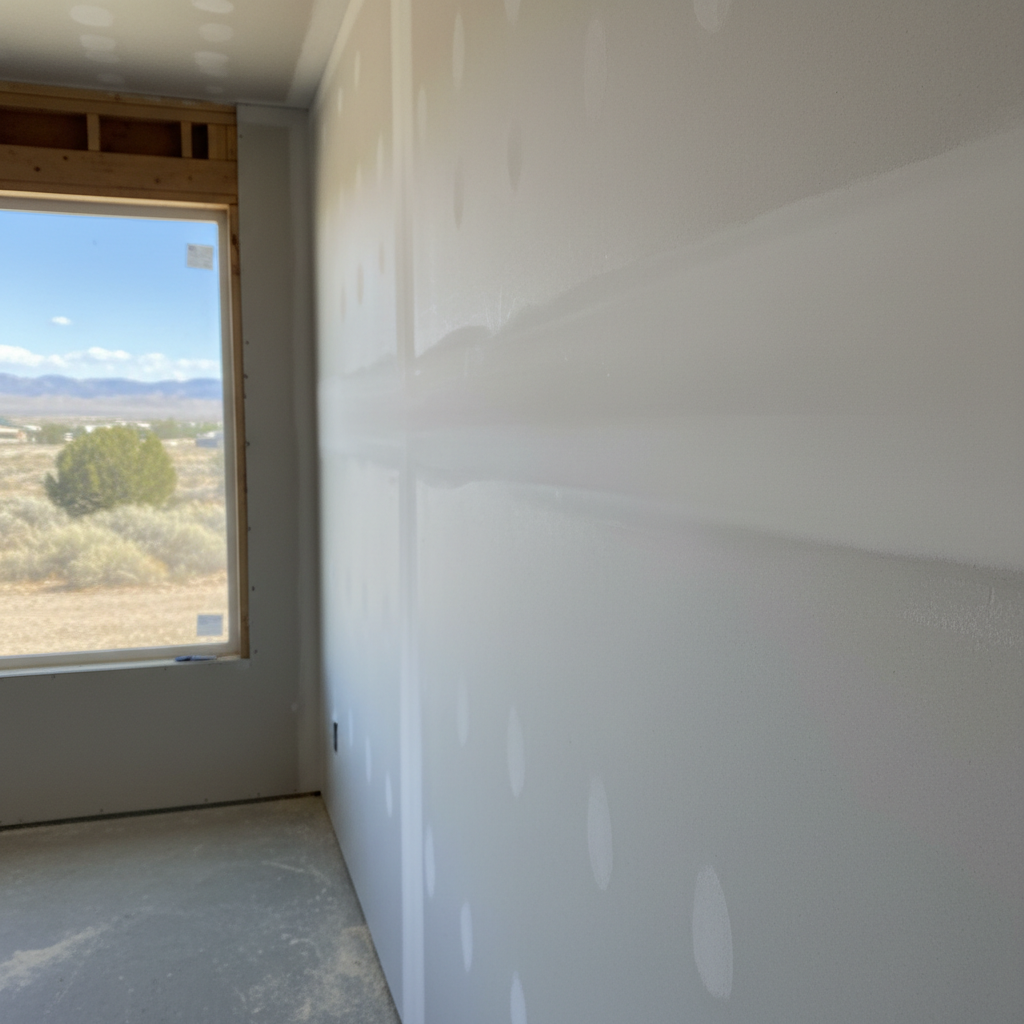
Got questions about putting up new sheetrock? You're not alone. I've been doing this work for years in Taylorsville, from the older homes near Valley Fair Mall to the newer builds up by the Bennion Ward, and folks always have good questions before they commit to a project. It's smart to know what you're getting into, right? So, let's dive into some of the most common things people ask me about sheetrock installation.
What's the difference between sheetrock, drywall, and gypsum board?
Honestly? Not much, for most homeowners. They're all pretty much the same thing. 'Gypsum board' is the technical name for the material itself – a core of gypsum plaster pressed between two sheets of heavy paper. 'Drywall' is the general term we use for the installed product, because it's a 'dry' alternative to old-school plaster and lath. 'Sheetrock' is actually a brand name, like Kleenex is for tissues. USG Corporation makes Sheetrock, and it's so popular that the name just stuck and became synonymous with drywall. So, if you say sheetrock, drywall, or gypsum board, I know exactly what you mean. Don't sweat it.
How thick should my sheetrock be? Does it really matter?
Yeah, it matters. A lot. For most interior walls in a typical home, you'll use 1/2-inch thick sheetrock. It's strong enough for most applications, easy to handle, and provides good sound dampening and fire resistance. For ceilings, especially if your joists are spaced 24 inches apart, I usually recommend 5/8-inch thick board. This stuff is heavier and stiffer, which helps prevent sagging over time – a real concern with our sometimes humid summers here in Utah. You might also use 5/8-inch for walls if you need extra fire resistance, like in a garage that shares a wall with living space, or for better soundproofing between rooms. Don't try to cheap out on thickness; it'll cost you more in headaches later.
Can I install sheetrock myself, or should I hire a pro?
Look, I'm not going to tell you that you can't do it. You can learn to hang sheetrock. But here's the deal: getting it right, especially the taping and mudding, is an art form. It's incredibly physical work, and if you don't have the right tools – a lift for ceilings, a good utility knife, T-square, and experience with mudding knives – you'll spend twice as long and end up with a finish that's not quite smooth. I've seen plenty of DIY jobs where the homeowner got frustrated and called us in to fix wavy walls or visible seams. If you're doing a small patch, go for it. For a whole room or an addition, you'll save yourself a lot of grief and get a professional finish hiring someone like Sunrise Drywall Co.
What's the deal with green board and blue board? When do I need them?
Good question, because using the wrong type can cause real problems. Green board, or moisture-resistant drywall, has an additive in its core and a water-resistant paper facing. It's designed for areas with higher humidity, like bathrooms, laundry rooms, and kitchens. This helps it resist moisture better than regular drywall, which in turn prevents mold and mildew. However, it's not waterproof. Don't use it in shower enclosures or anywhere it'll get direct water exposure – that's where cement board comes in. Blue board is different; it's designed for plaster applications. It has a special paper facing that bonds well with a thin coat of veneer plaster, giving you a super smooth, hard finish. You won't typically see blue board in standard drywall installations, but it's great if you're going for a plaster finish.
How long does sheetrock installation actually take?
This is like asking