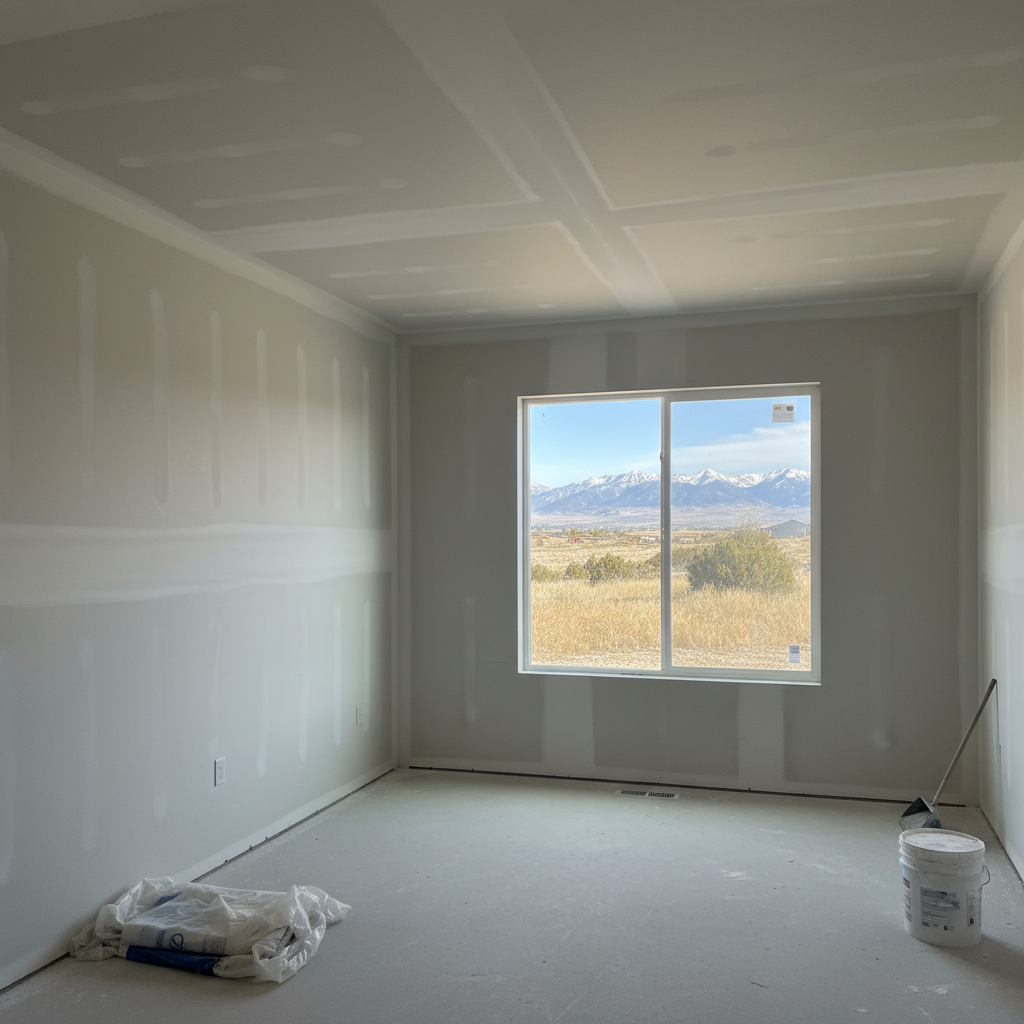
You've got good drywall in your home, maybe we even installed it for you. But here's the thing: good installation is just the start. If you want those walls and ceilings to look great and last for decades, you can't just ignore them. Drywall isn't a set-it-and-forget-it kind of deal, especially here in Taylorsville. We see everything from scorching summers to snowy winters, after all.
Extending the Life of Your Drywall
The biggest enemy of drywall, hands down, is moisture. It's not just about a leaky roof or a burst pipe, either. It's also about humidity. Our dry climate usually helps us out, but if you've got a poorly ventilated bathroom or a basement that gets damp, you're asking for trouble. So, make sure your exhaust fans are working in bathrooms and kitchens. If you're running a humidifier all winter, keep an eye on those settings. Too much moisture in the air can soften the paper facing and even lead to mold behind the walls — which is a whole different headache, let me tell you.
Temperature swings can also play a role. When it's 100 degrees outside and you've got the AC blasting inside, your house expands and contracts. This movement can lead to hairline cracks, especially around door and window frames. It's usually just cosmetic. But consistent, large cracks can indicate structural issues, and that's a much bigger deal than just a little joint compound and paint.
Another thing? Protect your walls from physical damage. I know, sounds obvious, right? But think about where your kids play, where furniture gets moved, or even where you hang pictures. Use wall protectors behind door handles. When you're moving furniture, wrap the corners. A small ding or gouge might seem minor, but if it breaks the paper facing, it creates a weak spot. That spot can get worse over time, especially with our dry air making everything a bit more brittle.
Regular Drywall Maintenance: What to Look For
You don't need to inspect your walls with a magnifying glass every day, but a quick once-over every few months can save you a lot of grief. Here's what I recommend:
- Dusting: Yeah, really. Dust can build up on textured walls and ceilings, making them look dingy. A soft brush attachment on your vacuum or a microfiber duster works wonders.
- Spot Cleaning: Life happens. Fingerprints, scuffs, crayon marks. For most painted drywall, a damp sponge with a little mild soap works. Just test it in an inconspicuous spot first to make sure it doesn't lift the paint.
- Caulk and Sealant Checks: Look around bathtubs, showers, and sinks. If the caulk is cracked or peeling, water can get behind the drywall. Re-caulking is a cheap and easy fix that prevents major damage.
- Attic and Basement Peeks: If you have access, take a look at the drywall from the other side, especially near plumbing or the roofline. Catching a small leak early can prevent a huge repair bill.
It's all about being proactive. A little bit of attention now can prevent a lot of headaches later.
Warning Signs of Drywall Problems
Alright, so you're doing your regular checks, but what are the red flags that tell you something more serious is going on? Keep an eye out for these:
- Discoloration or Stains: Yellow, brown, or dark spots on your ceiling or walls are almost always a sign of water. Don't ignore them. Find the source of the leak immediately.
- Soft Spots: If you press on the drywall and it feels spongy or soft, that's a big problem. It means the gypsum core is getting wet and breaking down.
- Bubbling or Peeling Paint/Tape: This often happens when moisture gets behind the finish, causing the paint or joint tape to lose adhesion.
- Mold or Mildew: Any fuzzy growth, especially in corners or behind furniture, indicates a moisture issue that needs addressing. It's not just ugly; it's a health hazard.
- Large Cracks or Gaps: While small hairline cracks are common, large, expanding cracks, especially those that run diagonally from door or window frames, can signal structural movement.
- Musty Odors: If you smell a persistent damp or earthy odor, even if you don't see visible signs, it could mean hidden mold or moisture.
Don't just paint over these issues and hope they go away. They won't. They'll just get worse, and the repair will be more extensive and expensive.
When to Call a Professional
Look, I'm a big believer in DIY when it makes sense. But some things are best left to the pros. If you see any of the serious warning signs I just mentioned – persistent water stains, soft spots, significant mold, or large structural cracks – it's time to call someone like us at Sunrise Drywall Co. We can assess the damage, find the root cause if it's drywall-related, and make sure the repair is done right the first time.
You might also want to call us for larger repairs. If you've got a hole bigger than a dinner plate, or if you're dealing with multiple areas of damage, trying to patch it yourself can often lead to a less-than-perfect finish. Matching textures, especially on older homes in areas like the Cottonwood West neighborhood, can be tricky. We've got the tools and the experience to blend repairs so you won't even know they were there.
Don't wait until a small problem becomes a major renovation project. Your home is one of your biggest investments, and keeping your drywall in good shape is a key part of protecting that investment.