Drywall issues pop up. It's just a fact of homeownership, especially here in Taylorsville where we see everything from summer heat to winter freezes affecting our homes. Over the years, I've heard a lot of the same questions from folks looking to get their walls and ceilings looking good again. So, I figured I'd put together some straight answers for you.
What's causing these cracks in my drywall?
Cracks are probably the most common call we get. There are a few usual suspects, you know. Small, hairline cracks, especially around doorframes or windows, are often just normal house settling. Every house, new or old, shifts a little with temperature changes and soil movement. We've got some pretty expansive clay soils in parts of Taylorsville, like around the old Bennion Elementary area, which can really contribute to foundation movement and, consequently, drywall cracks.
Larger cracks, particularly those that run diagonally from corners or across ceilings, can point to more significant structural movement. If you're seeing cracks that reappear quickly after a repair, or if they're accompanied by doors sticking or floors feeling uneven, it's definitely worth having a professional look at your foundation. But most of the time, it's just your house doing its thing.
Can I just patch a hole, or do I need a whole new sheet of drywall?
For most holes, a patch is absolutely the way to go. We're talking about anything from a small nail hole to a fist-sized or even a larger hole from, say, moving furniture. There are different types of patches – mesh patches for smaller holes, California patches for medium ones, and cutting out a square and fitting in new drywall for bigger damage. The key is making sure the patch is properly secured, taped, and mudded so it blends seamlessly. You don't want to see a ghost of the old damage, right?
You'd only really need a whole new sheet if the damage is incredibly widespread across a large area, like if a whole section of wall got soaked and is crumbling, or if there's extensive mold that's gone deep into the board. For most everyday dings and dents, a skilled patch job will save you time and money.
How do you match the texture of my existing walls?
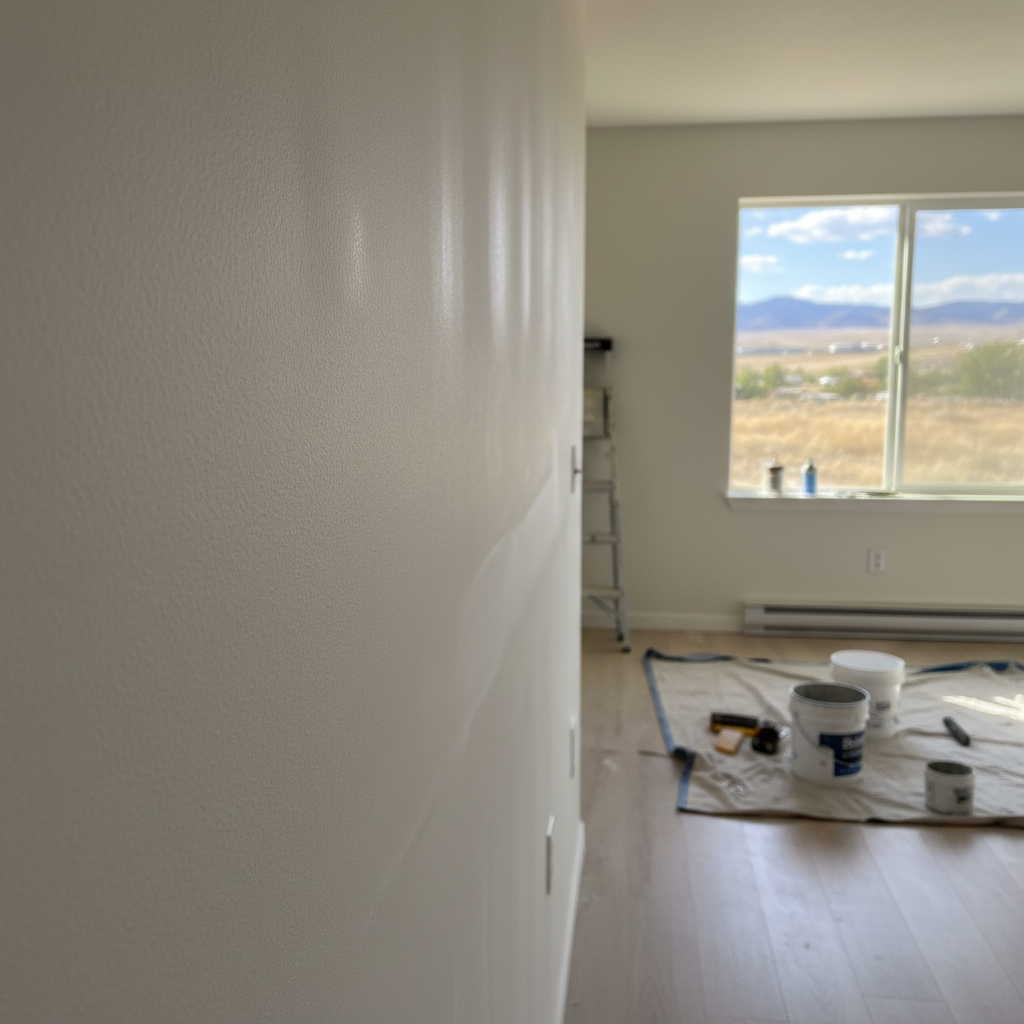
This is where experience really counts, and it's a question I get asked a lot. Matching texture is an art. Most homes in Taylorsville have either a smooth finish, orange peel, or knockdown texture. Smooth is the easiest to match, but it has to be perfectly flat. Orange peel is sprayed on, and we adjust the air pressure and mud consistency to get that fine, bumpy look.
Knockdown is similar: sprayed on and then lightly smoothed with a trowel or knife to 'knock down' the peaks. We'll often do test patches in an inconspicuous spot to ensure we get it just right. It takes a good eye and a steady hand, but a good drywall guy can make a repair disappear into the existing texture.
What's the deal with these yellow or brown stains on my ceiling?
Those stains are almost always water damage. They're telling you there's a leak somewhere above. Don't just paint over them! That's like putting a band-aid on a broken leg. You need to find the source of the water first. It could be a leaky roof, a plumbing pipe in the attic, or even condensation from an unvented bathroom fan.
Once the leak is fixed and the area is completely dry, then we can address the drywall. If it's just a surface stain, we'll use a stain-blocking primer and then patch and paint. If the drywall itself is soft, sagging, or moldy, it needs to be cut out and replaced. Ignoring a water stain can lead to bigger problems down the road, like structural damage or widespread mold growth.
My drywall seems soft or crumbly. What's going on?
Soft or crumbly drywall is a big red flag, and it almost always points to water damage that's been ongoing for a while. Drywall is basically gypsum plaster pressed between two sheets of paper. When it gets wet, the gypsum loses its structural integrity, and the paper backing can delaminate or get moldy. If you can easily push your finger through it, it's compromised.
This isn't something you can just patch. The affected section needs to be cut out and replaced. Before we do that, we make sure the area is completely dry and that the source of the moisture has been eliminated. Sometimes, it's a slow leak that's been dripping for months, hidden behind a wall. We don't want to just cover up the problem; we want to fix it right.
How long does a typical drywall repair take?
It really depends on the size and complexity of the repair, but most standard patches and repairs can take anywhere from a few hours to a couple of days. A small nail hole might be a quick fix. A larger hole that needs a new piece of drywall, taping, and three coats of mud will take longer because each coat needs to dry completely before the next one can be applied.
Drying times are crucial. We can sometimes speed things up with fans or heaters, but you can't rush the process too much, especially with our sometimes humid summers. Then there's sanding and priming. If you're matching texture, that adds another step. So, while the actual work might be done in a day, the whole process, including drying and finishing, often spans two days for a clean, professional job. We'll always give you a clear timeline when we come out for an estimate.
When should I call a professional like Sunrise Drywall Co instead of doing it myself?
Look, I'm all for homeowners tackling DIY projects. For small nail holes, minor dings, or very simple patches, you can definitely give it a shot. There are plenty of good tutorials out there. But for anything larger than a few inches, or if you're dealing with water damage, extensive cracking, or trying to match complex textures, that's when you should really consider calling in the pros.
Matching textures, getting a perfectly smooth finish without bumps or waves, and ensuring a repair blends seamlessly into the existing wall takes a lot of practice and the right tools. A poorly done repair can actually stand out more than the original damage, and then you're paying someone to fix the fix. We've seen it countless times. If you want it done right the first time, and you want it to look like the damage was never there, give us a call at Sunrise Drywall Co. We're happy to come out, take a look, and give you an honest assessment.